


This article is a lazy person’s guide on how to choose the right lighting. It discusses the importance of lighting in home design and decoration and provides some simple and easy-to-understand tips to help readers understand how to choose lighting that suits their home style. These tips include selecting the appropriate lighting fixtures for their intended use, understanding different types of lighting, mastering the correct installation position and height of lighting, and how to use lighting to improve the ambience of a room. Through this article, readers will be able to better understand how to select lighting that is suitable for their home, making it more comfortable, beautiful, and practical.
1: The color temperature of the lamp plays a key role in creating the home atmosphere.
The unit of color temperature is K (Kelvin). In daily lighting applications, we encounter three main color temperatures: 3000K (warm white), 4000K (neutral white), and 6500K (daylight white). But are these the only options for lamps? Actually not.
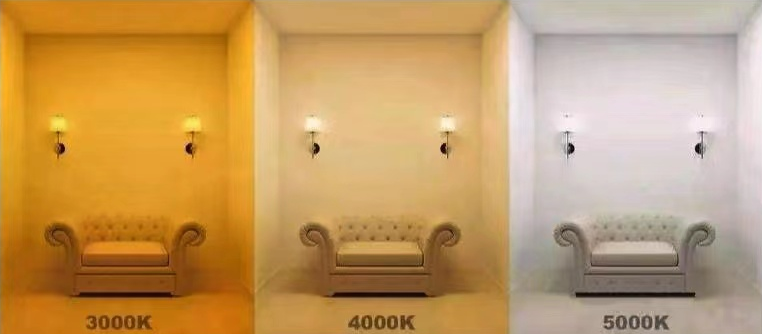
With the changing trends in home style, the improvement of public aesthetic level, and the high requirements for the human living experience, people have gradually been exposed to more color temperatures, and their requirements for color temperature are also getting higher. Therefore, it is necessary for us to have a deeper understanding of the common sense of color temperature, so that it can be matched with the space reasonably.
2: Walls, furniture, and hardware: 2000K-3000K
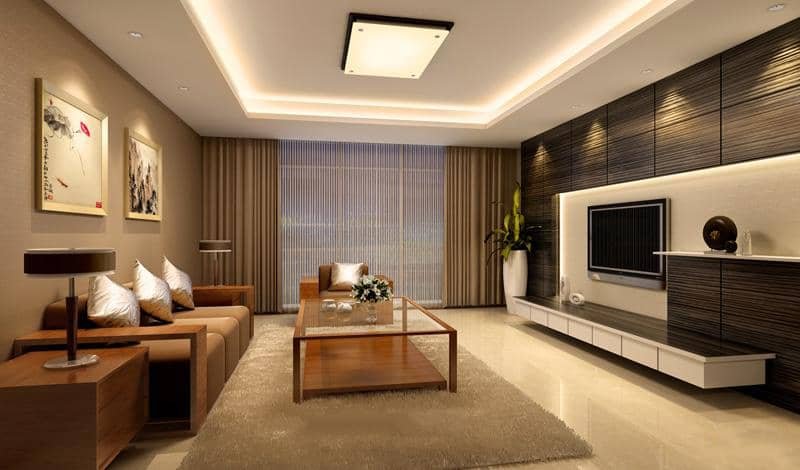
The living room is the core of family activities and a place to entertain guests. It is recommended to use low color temperature light sources (around 2700-3000K) in the living room, which helps to highlight a beautiful and warm atmosphere. It should be noted that for the various types of lamps in the living room, the color temperature should be consistent so that it looks coordinated. For example, if the LED downlights in the living room use 3000K warm white, then the chandelier, strip lights, and wall lights should also be uniformly selected within the range of 2700K-3000K.
3: Dining: 2500K

The dining area is recommended to use a warm color temperature of around 2500K. The soft warm color temperature can stimulate the appetite while still being elegant. In addition, pay attention to the color rendering index of the dining room lighting, as high-index lights present the colors of food more accurately.
4: Study: 3500K
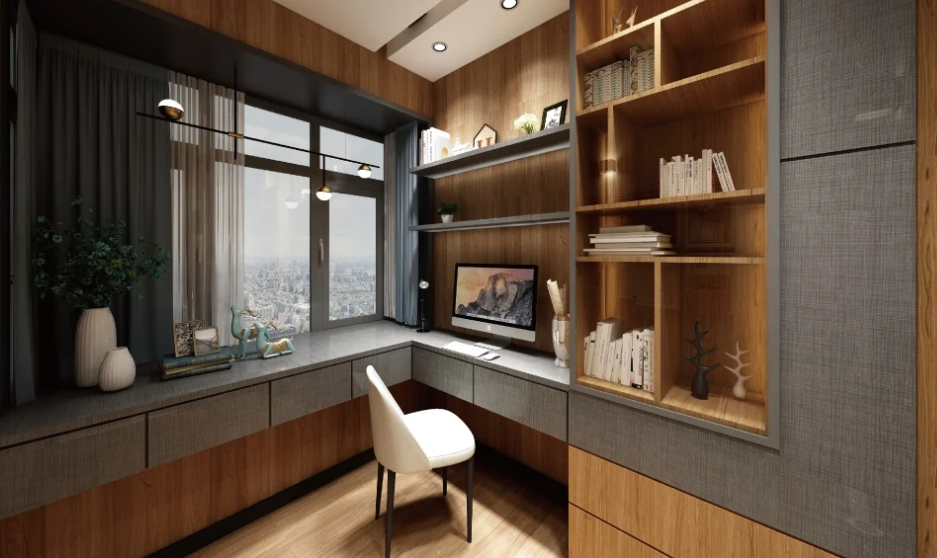
A neutral color temperature of around 3500K is recommended for the study. In this small space where black and white words are emphasized, a color temperature of around 3500K helps to keep the mind clear, concentrate, and improve efficiency.
5: Sleeping area: 2500K-2700K

The bedroom is a place to create a warm feeling. If you choose a cool or daylight white color temperature, it can easily give you a chill. However, if you switch to a warm color temperature of around 2500-2700K, you will feel more comfortable, as the color is orange and warm, giving a sense of relaxation and making the space more cozy.
6: Closet: 3000-4000K

Therefore, it is recommended to use a neutral color temperature of around 3500K-4000K in the closet, which is more conducive to the correct selection of clothing and jewellery, and avoids the deviation of warm-colored light in the presentation of objects colors.
Conclusion
To sum up, choosing the right lighting needs to consider a variety of factors, but understanding the basic knowledge of color temperature can help us better choose the right lighting for different spaces and uses, so as to create a better living environment.

